

Retirement Plan, Life/Career Transition & Investment Strategy for Professionals
Tailor-made, independent advisory helps you with nearly any financial decision you face – from (re)constructing investment portfolios & expanding your financial opportunities to evaluating protection needs.
Financial modeling & portfolio analysis assisted by AI, backed by professional CFP judgment.



How Can Your Life Transform with Advisory?
More Time
Freedom to focus on what truly matters—family, health, personal growth, and fulfillment.
More Security
Resources and options, allowing you to live life on your terms instead of constant uncertainty and anxiety
Less Stress
Clearer thinking, better financial clarity, and the calm confidence to handle whatever comes your way
Unbiased, Flat-Fee & Licensed Wealth Advisory You Can Trust
Since 2014
Consult Sessions
Consult Hours
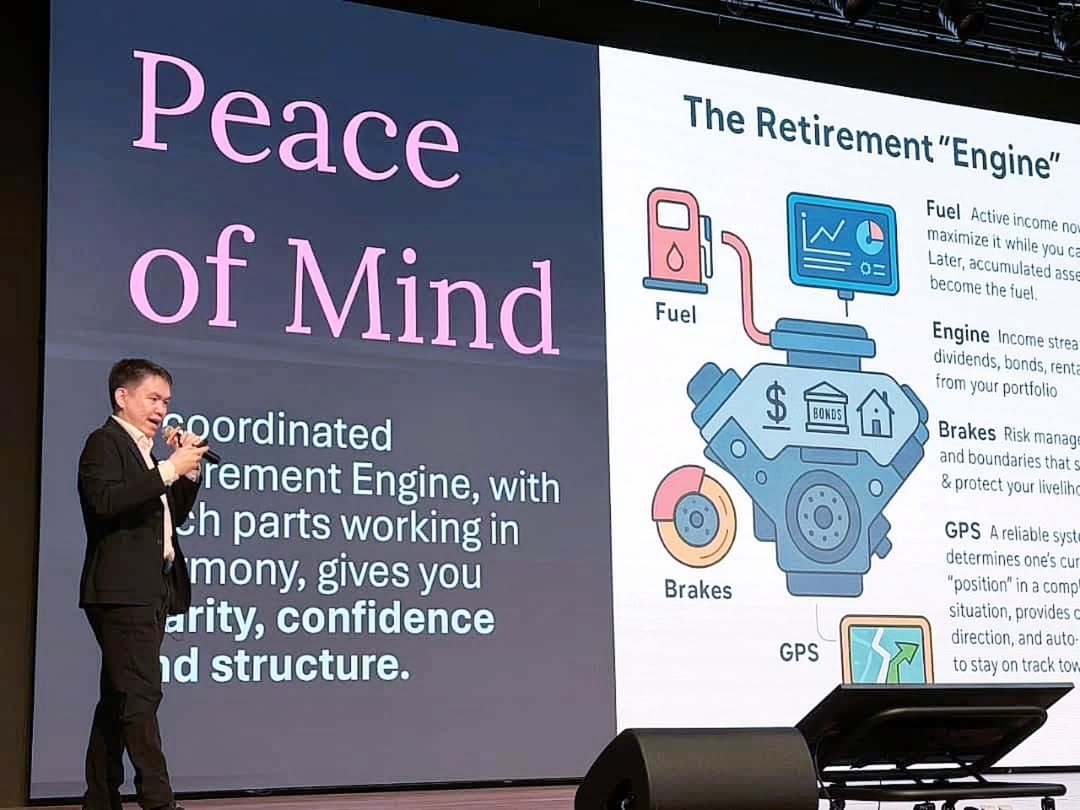
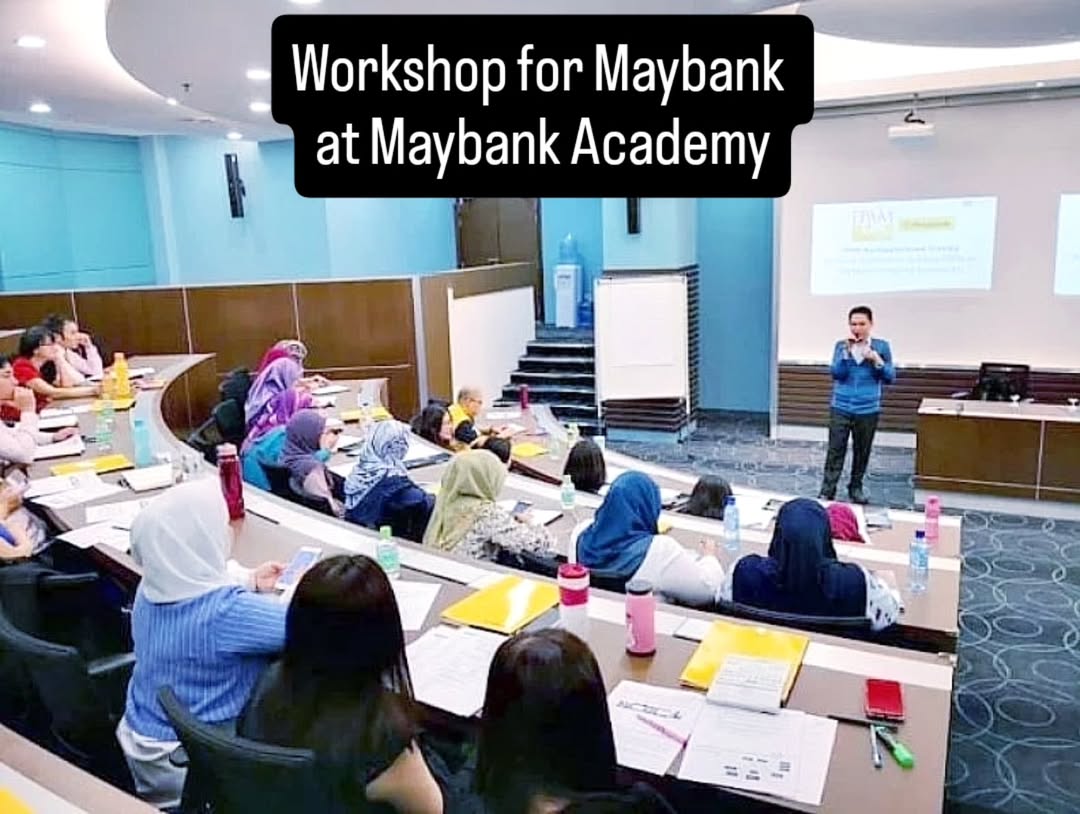
Training & Workshop (Corporate)
Engaged by/Featured in: Maybank, PNB, Malaysian Medical Association, EPF, Great Eastern, CNA, TheStar

“It is not easy to have both meaningful and comfortable conversations around money/retirement that also involves family, yet Lieu gave me the space and put me at ease to do this during the consultation“
Rizal Harris Wong – Group Technical Authority at Petroliam Nasional Bhd

“Equipped with higher confidence going forward, I now have more conviction to commit & execute the strategies you recommended. The road mapping process has revealed to me that I can still have a sustainable retirement portfolio in place 40 years from now without compromising my current lifestyle”
Azian Ahmad, Head Of Human Resources @ Lazada & Shell Business Operations

“I am an accountant with decent financial knowledge but sessions with CF Lieu provided me with a new perspective and in some cases, details and information that I never knew or considered. Very humble and respectful of the client’s viewpoint despite him having a rich knowledge in the financial planning space”
Sunil Rajamony – Global Business Services Director @ Huntsman Corporation
Is Our Advisory Service For You?
Yes, if you face these challenges

I Cannot Find Enough Time Or Expertise to Manage my Wealth
- 🔹 Check if what I’m doing is enough to retire when I want
- 🔹 Help me chart a retirement roadmap for me, so I don’t run out of money before running out of life
- 🔹 Help me put together a Sustainable Income Replacement Plan based on my lifestyle and preference
- 🔹 Advise me on the cause and effect of financial decisions I’m making
- 🔹 I don’t have mental bandwidth to structure my personal finances properly

I Can’t Get Unbiased Second Opinions from a Professional
- 🔹 Are there any immediate opportunities I am not aware of, to accelerate towards my financial life goals?
- 🔹 Guide me to reduce financial mistakes by leveraging experience from people who have ‘been there, done that’
- 🔹 I need to restructure my underperforming investment portfolio
- 🔹 Am I over/underinsured and/or overpaying for insurance?
- 🔹 I don’t know how and where to start planning for retirement

I’m Stuck Trying to Get Practical Money Advice
- 🔹 How to best optimize RoI, in a volatile market?
- 🔹 Help me spot any financial blind-spots before they turn problematic
- 🔹 I want to grow my wealth with high certainty without the noises
- 🔹 I’m unable to make informed decisions due to information overload
- 🔹 I am confused, frustrated & overwhelmed with what is out there